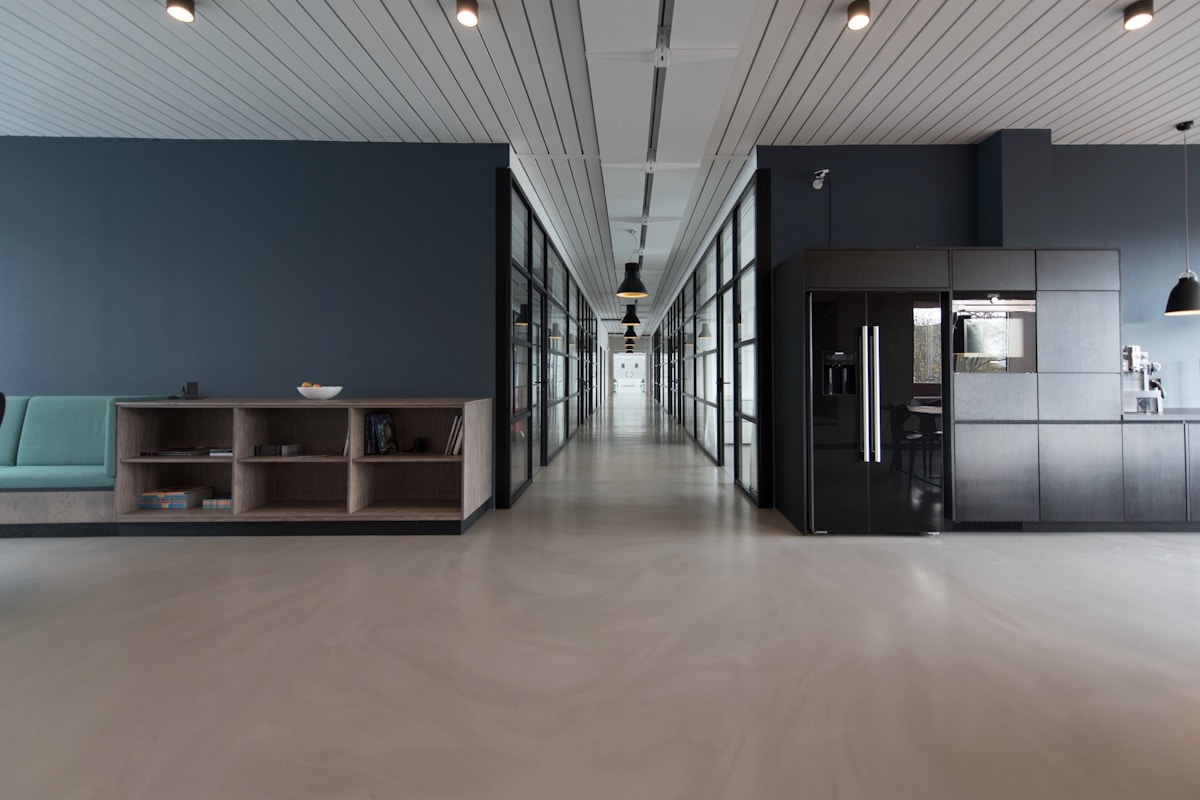
Lighting is often the most underrated element of interior design, yet it has the power to completely transform a space. Good lighting design is invisible—you feel its effects without necessarily noticing the source.
The Three Layers of Lighting
Ambient Lighting
The foundation layer provides overall illumination. Think recessed ceiling lights, chandeliers, or wall-mounted fixtures that fill the room with general light.
Task Lighting
Focused illumination for specific activities—reading lights, under-cabinet kitchen lighting, or desk lamps. Task lighting should be bright enough for the activity without creating glare.
Accent Lighting
Creates drama and highlights architectural features, artwork, or decorative elements. Track lighting, picture lights, and uplighting fall into this category.
The Psychology of Light
Color temperature dramatically affects mood. Warm light (2700-3000K) creates cozy, intimate atmospheres perfect for living rooms and bedrooms. Cool light (4000-5000K) promotes alertness and focus, ideal for offices and kitchens.
Natural Light Integration
Always start by maximizing natural light. Position furniture to take advantage of windows, use mirrors to reflect and multiply daylight, and choose window treatments that offer privacy without blocking light unnecessarily.
Layering for Flexibility
The best lighting plans offer flexibility. Use dimmers, multiple switches, and smart controls to adjust layers based on time of day, mood, and activity. A well-lit room should never rely on a single overhead fixture.
Common Mistakes to Avoid
Don't rely solely on overhead lighting—it creates harsh shadows and feels institutional. Avoid placing all lights at the same height; vary elevations for visual interest. And never forget that the fixture itself is part of the design—choose lights that complement your aesthetic even when turned off.
James Wilson
Lighting Designer
A passionate expert in interior design, bringing years of experience and creativity to every project.